
AI vs craft: which suits your agency more?
It’s now November 2026, I have Claude on my desktop, accessing my tabs when needed, writing code for my website when I can’t make the thing I need to look right, and I’ve got it sending me reminders, a weekly wrap, adjusting my calendar around the nagging to-do list in my head, etc.
It’s not perfect, but it’s helpful. My biggest problem is that it slows down my thought process, it misreads, agrees too easily and assumes. It’s like a child rushing through work!
The industry’s biggest problem I can see is that AI is causing total panic. Will it replace jobs? Will it replace me? And how does it replace my team?!
If we think practically about IT systems and software, decades ago when working in Microsoft Access at school, we built macros that were basic automations. AI obviously takes things further, but is it scary? No. Can we utilise it to make businesses run more efficiently, ideally, YES!
The premium product
What AI washing and AI slop are causing is a premium around the human mind and craft. And, as AI is so easily accessible with all the free models at the moment, the slop is free and easy to generate. I’ve had a flurry of enquiries and proposals recently, and the flipside is that people want to buy services, consultancy and deep knowledge from a human. And I think it’s going to increase more and more in the coming year. YouGov in July 2026 said 94% of Britons believe companies should disclose using AI-generated actors in ads, and 78% would be less trusting of a brand that used them.
My spin on it is – craft. Craft of words, craft in thinking laterally, craft in starting conversations, craft in drawing and building. Craft is the new luxury item you as a business owner have to offer.
Your conversations with your clients, your wisdom and your clarity will deliver two if not ten fold its return. The way we listen, the way we speak, the way we write; it’s careful, meaningful and valuable.
Here are some of my top examples of craft
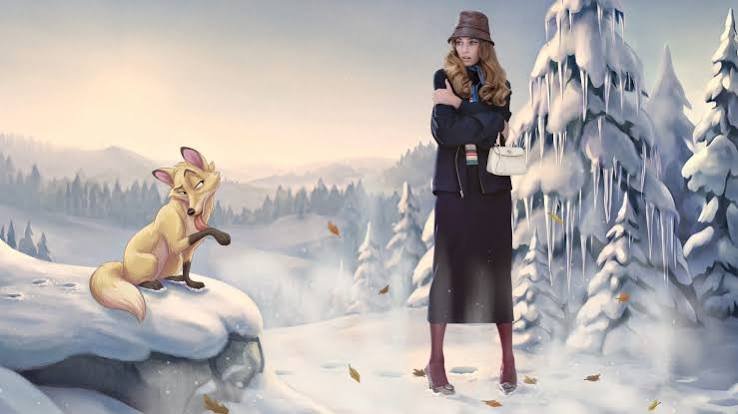
Let’s start with Prada, a brand I’ve always loved. Their product lines are always clean, they use bold colours, they believe in textures and high quality, very Italian and it’s very clear what they stand for. The advert for Christmas 2026 is no different, it shows hand-drawn characters, by John Pomeroy, amongst actors in beautiful scenes. They went all in on craft to set themselves apart.
Here’s an explainer video of the story behind their Christmas 2026 ad.
The Christmas advert for Barbour was also wonderfully craft-led, it featured our favourite moulded characters, Wallace and Gromit. Wallace creates a walk-o-matic so he can sit comfortably in his armchair and go for a walk, very twee. I’m a big fan of Wallace and Gromit, I think their films are wonderful, and they still use the traditional approach of frame-by-frame animation and clay craftsmanship.
There was a similar advert, made by stop frame animation for Levi’s too. These brands have chosen craft and are making a point of it. It’s the investment into craft that elevates the brand.
And, lastly did you see Polaroid’s advert last year, see example below. The copy and execution was so human, so perfectly crafted, and so pointed! Polaroid’s Creative Director Patricia Varella said “We are such an analog brand that basically gave us the permission: We can own that conversation”. (Ref)
And do you remember the backlash against Coca Cola for using AI to make ads? It feels mainstream and that’s fine. I hope to see more premium drinks brands using clever copy, hand drawn and stop-frame filming.
What agencies need to do
For internal use as a tool within your business, I would seek an expert to find those efficiencies that can be automated (I can recommend people here). There are plenty of them, and I tend to prefer a solo consultant to get that bespoke advice and attention.
For internal use for marketing, it comes down to what’s the budget and time available, and what suits your agency’s brand the most. Would the outcome of using a graphic designer, specialist copywriter or videographer make a noteable difference to your clients? Would they notice the craftsmanship and consideration? Always consider what they would prioritise.
When it comes to the client work, yes you will receive briefs written by AI… I spoke with a HR consultant recently who is helping her clients navigate AI-written employment issues, her advice was ‘Just get a meeting to discuss instead of engaging’ which I think always rings true for new business. So once the brief is agreed by humans, your responses and presentational style, will they be AI made or human crafted? What will help you win the work best?
And when it comes to delivery of work for your agency, I think you need to be upfront about how you’re using AI within your business, because it is a tool, and yes we don’t talk about generally the software and systems we use, but AI is new and if anything in your brand speaks to ‘honesty’ then lead with being upfront about AI.
Craft is very much a premium product, the luxury brands are showing us that, but what your brand says about you is already interwoven with AI. Whether you like it or not, business has shifted dramatically in the last two years and how you use and admit to working with AI sets you apart from your competition. Likewise, how you use craft delivered by people, speaks volumes about your investment in your brand and what sort of client you’re wanting to attract. Agencies, likewise all businesses, need to decide whether craft outweighs AI or vice versa.
I get marketing, and I get brand. If you want a human to look at your brand, your positioning, your message and get feedback especially crafted for you, please drop me a message or email to have a chat. It is wild out there, but the brands we’re building need to align with AI and craft in a way that suits your audience best.